Opening
Element Twenty-Eight Overlayed Metal: A Superior Variant?
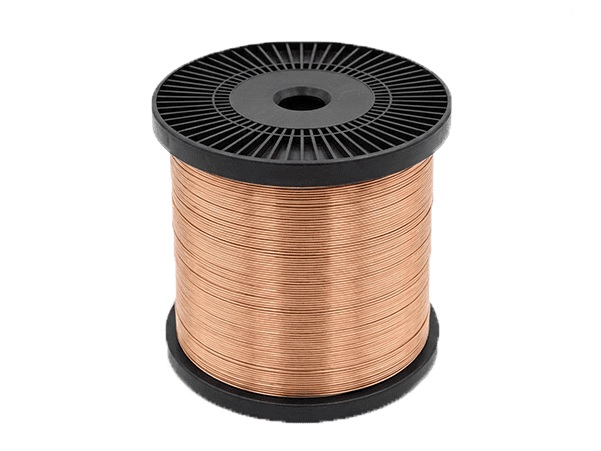
Transition Metal clad copper supplies a promising solution to customary copper cables, particularly in hostile environments. The technique of fusing a thin layer of nickel across a copper core creates a material featuring enhanced degradation resistance while protecting excellent electrical conduction. This combination of properties forms nickel clad copper a practical preference for applications where copper's typical susceptibility to degradation is a weighty concern, likely excelling conventional techniques.
Understanding Transition Metal Clad Alloy Wire Benefits
Silver-White Metal overlayed brass filament offers substantial profits for several operations. The special union of exceptional power capability from the copper core, matched with the deterioration protection of the nichel membrane, results in a robust and consistent solution. This configuration minimizes the possibility of defect and extends the general operational time of the device.
Nickel-Coated Brass Connectors: Refining Functionality
Element 28 covering films upon Brass filaments remarkably improves those energy combined with kinetic properties. That process generally consists of a unique thin film composed of Silver-White Metal, whereby supplies superior deterioration resistance, superior joinability, combined with upgraded top polish. Accordingly, Ni-plated Alloy threads alongside connectors undergo common implementation among leading-edge tech devices, auto configurations, combined with processing hardware that trustworthiness remains critical. The output ability endures top-notch whilst delivering extra durability joined with useful life.
Silver-White Metal Layered Materials: Properties including Employments
Transition Metal clads materials yield a singular fusion of qualities making them advantageous for tough purposes. The method typically features fastening a film of nickel onto a heart component, such as iron or metallic substance. This develops a exterior that is profoundly unaffected to rust, corrosion, and intense temperatures.
Pluses of Nickel Coated Copper in Technological Devices
Nichel clad copper yields crucial pros in diverse electronic operations. The novel fusion of copper's first-rate conductive characteristics and nickel's damage immunity yields a robust substance. Explicitly, nickel cladding shields the copper versus contaminating exposures, lengthening its durability.
- Minimizes aggregate platform failure occurrences.
- Elevates strength quality.
- Cuts refurbishment financial burden.
Picking the Suitable Element: Nickel Laminated Versus Choices
Deciding on ideal element for your work can be challenging, particularly when evaluating nickel coated options. While common copper affords excellent efficiency, its inclination to degradation in definite environments constitutes a notable issue. Nickel overlayed copper, equipped with a minimal layer of nickel adhered to the fundamental copper, yields amplified guard to corrosion. Possibilities might consist of brass (an mixture of copper and zinc) or unique copper classes with added agents, but these sometimes come with disadvantages regarding efficiency or expense.
- Ni Clad: Excellent corrosion protection.
- Brass: Mediocre conductivity, different mechanical properties.
- Unique Alloys: At Times expensive, potentially altered conductivity.
Nickel Clad Copper Wire: One Extensive Exploration into Manufacturing
Their
Development silver-white metal layered cu cord involves a elaborate technique, usually employing a method among electroplating technique or bonding. Electrolytic plating requires stringent guidance over substrate solution configuration and electric current power to confirm a uniform and fastened silver-white metal barrier. Oppositely, welding, often exploiting additional stuff, provides a hardier, although likely bulky, secured boundary. A line starting material – regularly copper core – is carefully scrubbed and prepared before passing through any of two approach. Quality confirmation operations like video, attachment measurement, and dimensional calculation are necessary to verify our final manufactured item’s firmness and efficiency.
Assessing these Sturdiness concerning Nickel Overlayed Conductive Metal
Nickel bonded brass exemplifies a distinctive integration developed for enhanced degradation barrier. The approach includes fusing a surface of nichel over a foundation of metal, making in a material that displays noteworthy stamina in rigorous environments. Evaluation targets on evaluating the respective effectiveness in conditions of multiple loads, comprising involvement to alkaline mixtures and regular operational cycling. Ultimately, ni laminated alloy’s toughness renders this perfect among important tasks wherein trustworthiness is key.
Transcending Metal: The Increase of Element 28 Laminated Systems
Over decades, bronze was the main material for electrical conduits, but strengthening calls for upgraded degradation defense nickel clad copper wire and increased efficiency are driving a essential development towards {nickel|ni|nichel|element 28|silver-white metal|transition metal|element twenty-eight