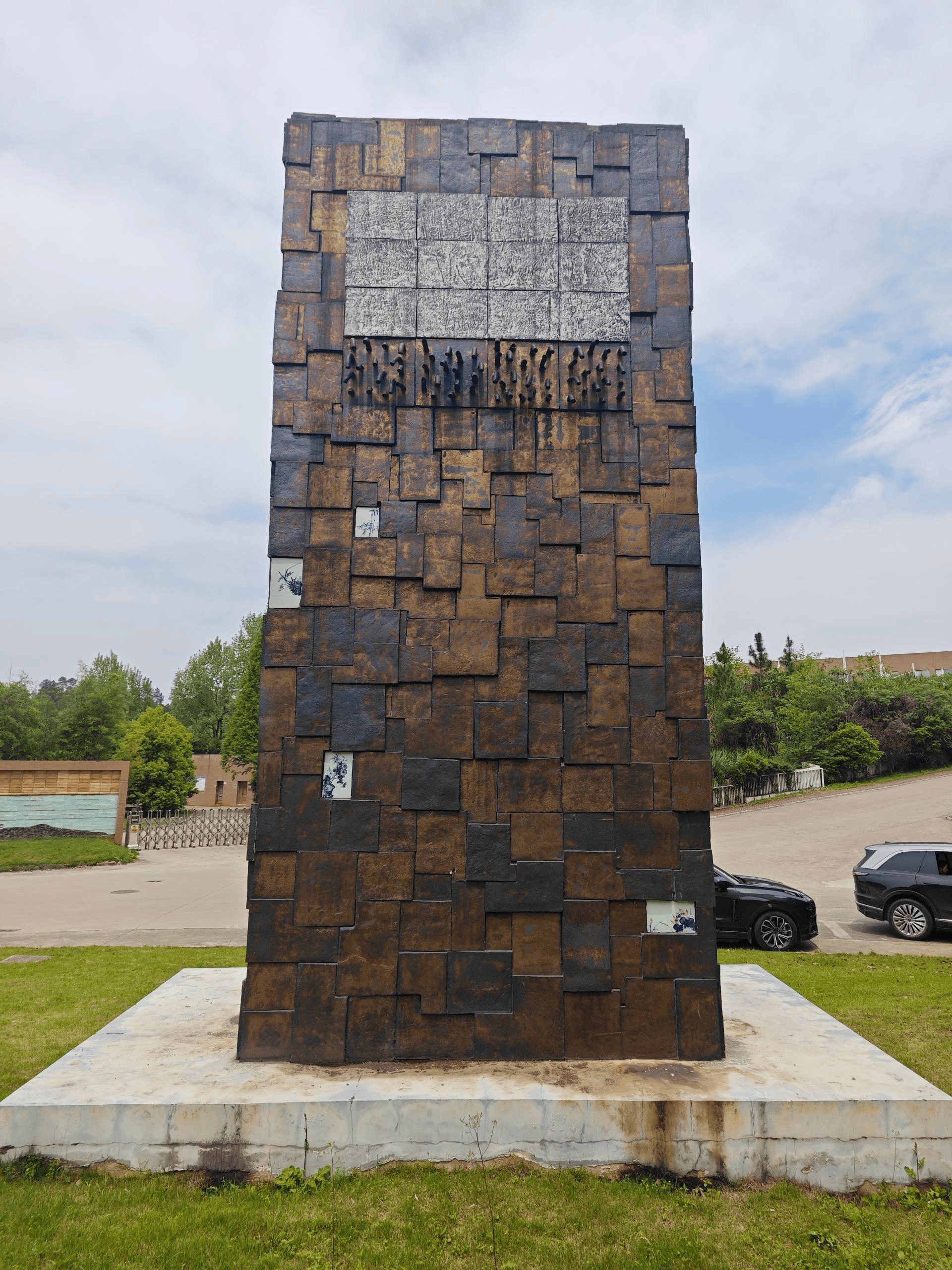
Stoneware form represents a extraordinary expression style with a enduring legacy, reaching back multiple of times. From ancient containers to recent setups, the medium offers incomparable possibilities for creative representation. Builders employ multiple techniques – including assembling, wheel operating, and advanced firing processes – to shape humble dirt into exquisite three-dimensional artifacts. The durability of fired pottery also contributes to its status as a truly important part of human tradition.
Studying Porcelain Board Designs and Methods
The field of ceramic panel design offers a broad array of inventive possibilities. Makers often exercise a assortment of ancestral and innovative techniques to develop visually striking pieces. These can range from simple, hand-carved reliefs to complex, multi-layered compositions. Popular methods include the slip cast process, artisanal shaping, varnishing – which can involve numerous techniques like underglaze painting, post-firing embellishment, and engraved motif where designs are disclosed by taking away a layer of coating. Additional exploration into finishing techniques such as raku firing and pearlescent coating can offer truly special and bespoke stoneware tiles.
- Slip Casting - Assembling pieces using a model
- Hand Shaping - Accurately crafting the material
- Glaze Application - Smearing the layer with a shiny finish
- Scratched design - Revealing designs by removing surfaces
Entrancing Experiences: Earthenware Art Installations
The progressing landscape of craftsmanship presents exciting innovative avenues for guests, and ceramic art installations are at the front line of this shift. These aren't just static statues; they are fashioned to envelop the visitor in a sensory space. Imagine moving inside a forest of towering, textured ceramic trees, or navigating a cluster of fine ceramic vessels. Many artists are now incorporating tones, illumination, and even bouquet to enhance the impact of their work. Contemplate the power of a room filled with hundreds of carefully ceramic objects, each telling a chronicle. Often, such installations analyze themes of the earth, history, and humankind.
- The mentioned installations blur the distinctions between figure and environment.
- Viewing a ceramic art installation can be a deeply affecting journey.
- Sculptors are extending the thresholds of what is achievable with clay.
One Beauty of the Pottery Vessel: Use and Outline
The clay urn represents a distinctive fusion of convenience and artistic appeal. Historically, these holders served a primary duty in supporting objects, but their development has transformed them into highly valued works of creation. Each artifact showcases the skill of the artisan, demonstrating how outline can be as important as use. The attentive shaping, the one-of-a-kind glazes, and the general presence of a skillfully-formed holder can raise a space, offering both elegance and a modest reminder of the maker’s hand.
Contemporary Clay Creation : Testing Perimeters
Modern clay creation represents a fascinating movement from ancestral practices. Artists are boldly exploring with fresh tactics, merging the separations between craft and other creative fields. From expansive installations to fine miniature pieces, aforementioned works analyze themes of heritage while coincidingly recasting the foundational of what brick can demonstrate. The upshot is a forceful landscape of creative expression.
Ceramic Plaque: Keeping Annals in Brick
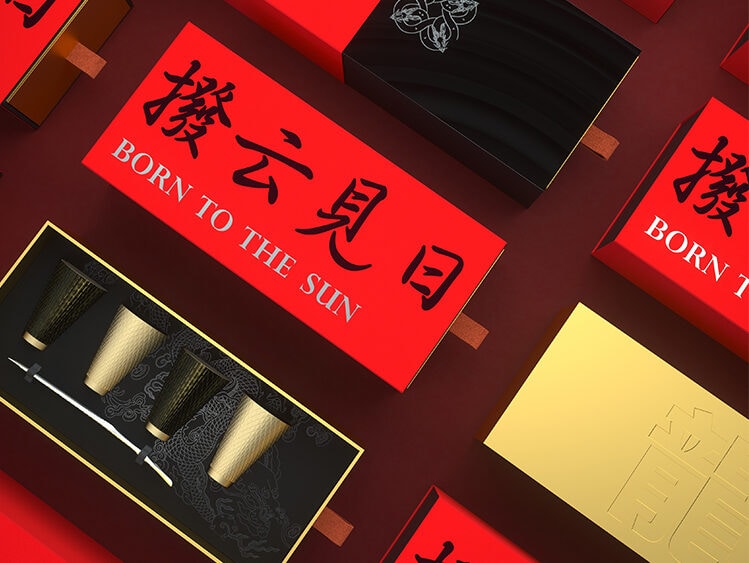
Porcelain plaques offer a exceptional method for preserving significant events and personalities. In contrast to traditional metal or stone markers, these lasting pieces of work are formed from cooked clay, creating a concrete link to the bygone era. Often, they illustrate intricate models or precisely drawn imagery, communicating stories that might otherwise be disregarded. These technique, originating in ancient civilizations, Travel Cup provides a visually appealing and permanent way to respect our collective heritage.
- The aforementioned can be installed in communal spaces.
- Scores of are now acknowledged historical heirlooms.
Terracotta Art Showcases: Changing Venues
Brick art installations are materializing a potent medium for designers to transform public and private sites. These immersive compositions frequently involve extensive clay designs that involve viewers, reshaping their view of the designed environment. By infusing diverse ways like slab forming and complex firing systems, ceramic artists produce truly extraordinary experiences, softening the boundaries between craft and space. The upshot is often a impactful evolution that enriches the expressive quality of the location and fosters interaction.
From Rotating Wheel to Wonder: The Method of the Ceramic Jar
The journey of a ceramic jar from a simple lump of terracotta to a refined work of production is a testament to human inventiveness. Customarily, the process commences with the potter’s spin wheel, where the experienced artisan builds the circling soil into a cylindrical configuration. This first period demands skilfulness and a trained eye, followed by a delicate solidifying period. Once bisque-fired, the urn is ready for finishing, which may involve coloring intricate sketches, carving detailed imagery, or utilizing a multitude of coatings. The terminal processing process then transforms the object into a durable and attractive receptacle, a tangible reflection of the maker's imagination.
Forming with Clay: A Overview to Earthenware Expression
Surveying the world of clay work begins with learning the tenets of molding with clay. This particular procedure demands attentively constructing and subtracting material to form three-dimensional pieces. Whether you're a learner or a proficient creator, exploring with multiple categories of porcelain – notably pottery – will promote you locate your idiosyncratic expression. After all, brick forming is a valuable undertaking that connects dexterous know-how with expressive presentation.